
Part 1 of 3 in the “Getting Unstuck After 50” series – The “What If” Method
Do you feel paralyzed by fear of making the wrong decision? Are you putting something off simply because you can’t come up with a solid solution, or any solution at all?
That used to be me. Honestly, it still is sometimes, unless I use a little trick I call the “What If” Method.
It’s a simple way to get creative, discover real options and solutions, and to get unstuck. And once you learn it, you can use it on absolutely anything from “what’s for dinner” to “should I retire early.”
Why We Get Stuck
We become so fixated on one path that we can’t see any other way, like we’ve blinders on. We can’t pull the trigger because something feels off, but we don’t even know why it feels off.
We feel like we are stuck with basic options that just don’t cut it.
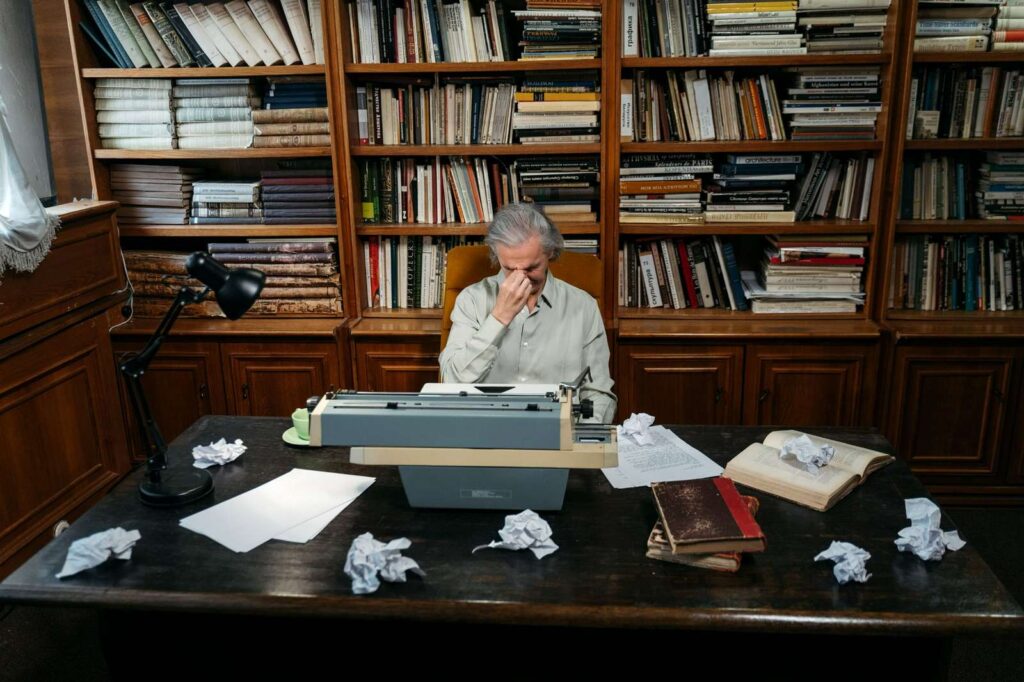
It’s a lot like writer’s block. We keep staring at a blank page, and we are unable to move forward. Coming up with new solutions can feel exactly the same way.
So instead of staring at the blank page, try saying “what if” instead.
What "What If" Actually Does
Here’s the key: you are not committing to anything. You’re not deciding. You’re simply discovering what you could do.
Saying “what if” flips a switch in your brain. It moves you out of anxious, overwhelmed mode and into creative mode. Instead of random worried thoughts swirling around, “what if” gives your brain one job. To come up with a possibility. One at a time. No pressure.
It takes the pressure off making a commitment until you actually have a clear picture of what you want. You get to play with options, because right now, you’re just pretending.
A Simple Example
Say you’ve been putting off landscaping your yard for years because you can’t decide what to do. Try this:
- What if I hired a landscaper?
- What if I asked AI to put together a few design plans?
- What if I added a flower bed along the fence?
- What if I finally put in that patio?
- What if I just planted the lemon tree I’ve been thinking about for a year—this weekend? What’s the worst that could happen?
No rules. No limitations. Just possibilities.
Practice Exercise #1: Start Small (Dinner Tonight)
If you’re new to this, start with something low stakes. Tonight, before each dinner idea, say “what if” out loud or write it down:
- What if I make lasagna, but with zucchini instead of pasta sheets?
- What if I try that new cake recipe I’ve been wanting, but swap the blueberries for strawberries?
- What if I make it Italian night with music, a themed tablescape, the whole thing?
- What if I ask the kids to cook dinner instead?
Say it slowly: “What if I…”. That slight pause helps your brain to focus and to come up with solutions, one thought at a time.
Practice Exercise #2: Go Bigger (No Boundaries Allowed)
Now grab a notebook and get a little wild. Come up with outlandish ideas. The more far-fetched, the better. You’re not committing to any of them. This is just a workout for your imagination and to get your creative juices flowing.
Some won’t be realistic. That’s fine. We’re not editing yet, we’re just generating. The goal is simply to think without boundaries.
Why This Matters for Bigger Decisions
This is where the “What If” Method earns its real keep. Not just for dinner, but for the decisions that actually shape your life. Retirement is a perfect example:
- What if I retired at 60 instead of 67?
- What if I spent this year really learning about taxes, finances, and retirement strategies?
- What if I started a side business now, while I still have steady income, so I’m ready to leave my corporate job at 60?
Most of us have been conditioned to believe there’s only one path to take. We are supposed to stay in our jobs until 65 or 67, and any sooner would just be foolish and irresponsible. Because we have been brainwashed to think that’s just how it’s done, we never even look at or consider any other options sitting right in front of us.
That conditioning is exactly what the “What If” Method is designed to break.
Up Next
Once you’ve used “what if” to open up your thinking, the next step is making sure you’re actually working with the right information, because some of the best opportunities, especially around money and retirement, are things most of us were simply never taught.
👉 Continue to Part 2: Opening Your Mind
What’s one decision you’ve been putting off? Drop it in the comments below.